Menu
Close
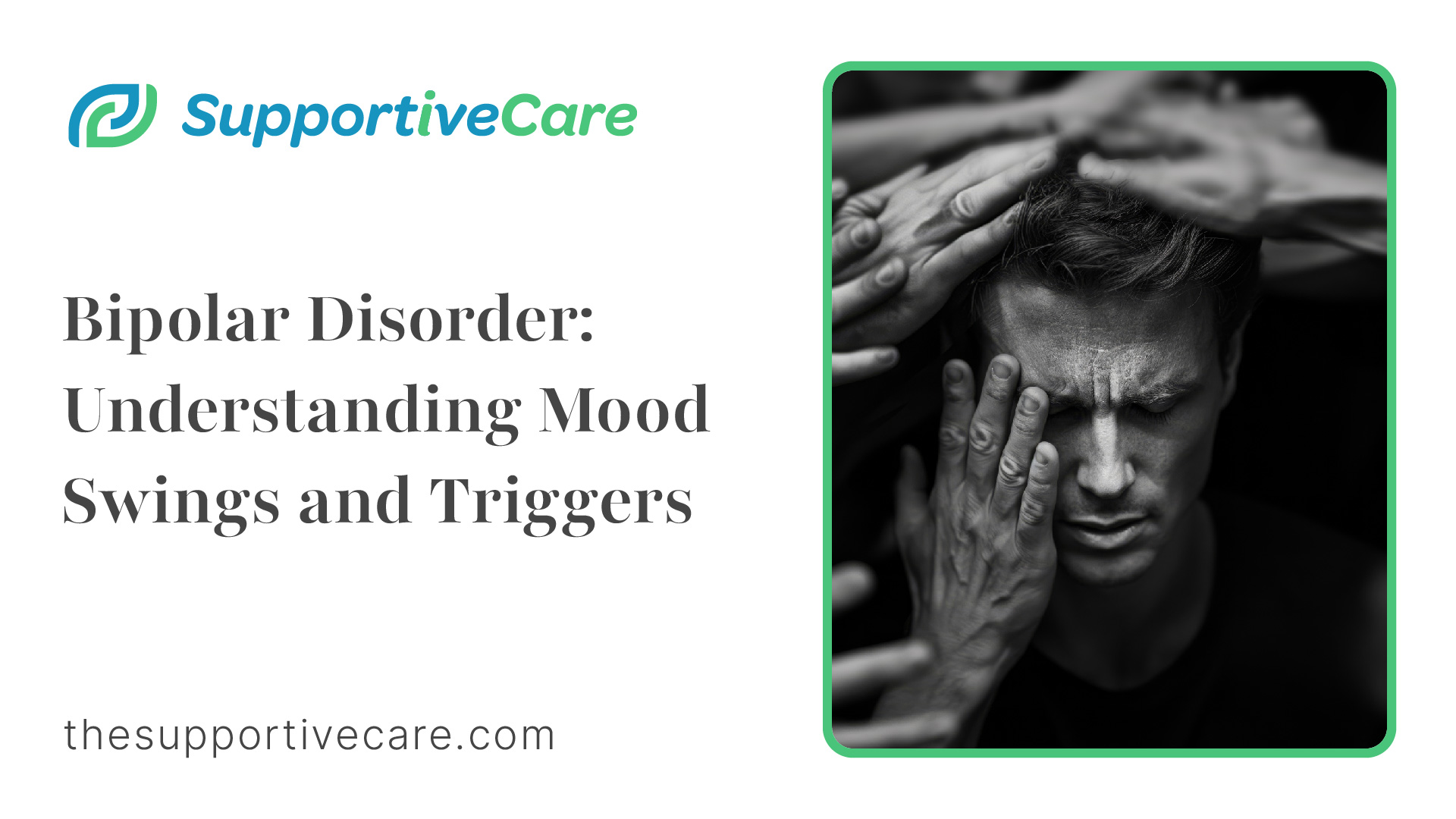
Bipolar disorder affects approximately 2.8% of adults in the United States, translating to about 7 million people navigating the complex challenges of this condition daily. Despite its prevalence, bipolar disorder remains frequently misunderstood, misdiagnosed, and stigmatized in society. This comprehensive guide explores the nuances of bipolar disorder, from recognizing symptoms and identifying triggers to understanding effective treatment approaches and coping strategies.
Bipolar disorder (formerly called manic-depressive illness) is a mental health condition characterized by extreme mood swings that include emotional highs (mania or hypomania) and lows (depression). When someone experiences a manic episode, they may feel euphoric, energetic, and unusually irritable. Conversely, during depressive episodes, they might feel sad, hopeless, and lose interest in activities they once enjoyed.According to the National Institute of Mental Health, bipolar disorder typically develops in late adolescence or early adulthood, with the average age of onset being 25 years. However, some people experience symptoms during childhood, while others may not develop symptoms until later in life.
There are several types of bipolar disorder, each with distinct patterns of mood episodes:
Characterized by manic episodes that last at least seven days or are severe enough to require immediate hospital care. Depressive episodes typically last at least two weeks. Some people may experience episodes with mixed features (having symptoms of both mania and depression).
Defined by a pattern of depressive episodes and hypomanic episodes (less severe than full-blown mania). People with Bipolar II often struggle with longer periods of depression, which can be particularly debilitating.
Involves periods of hypomanic and depressive symptoms lasting for at least two years (one year in children and adolescents). The symptoms don't meet the full criteria for hypomanic or depressive episodes.
This category includes bipolar disorder symptoms that don't match the three categories listed above.
Research suggests that bipolar disorder involves abnormalities in brain structure and function. Neuroimaging studies have identified differences in brain regions responsible for regulating emotions, such as the prefrontal cortex, amygdala, and hippocampus.A 2021 study published in the journal Molecular Psychiatry found that individuals with bipolar disorder showed reduced gray matter volume in areas associated with emotional processing and cognitive control, potentially explaining the challenges with mood regulation.
Bipolar disorder has a strong genetic component. According to research from the National Institutes of Health, if one parent has bipolar disorder, their child has approximately a 15-30% chance of developing the condition. When both parents have bipolar disorder, that risk increases to 50-75%.Scientists have identified several genetic markers associated with bipolar disorder, though no single gene is responsible. Instead, multiple genes likely interact with environmental factors to influence susceptibility.
During manic episodes, individuals may experience:
A 2019 survey by the Depression and Bipolar Support Alliance found that 71% of individuals with bipolar disorder reported making significant financial decisions during manic episodes that they later regretted.
Hypomania shares symptoms with mania but is less severe and typically doesn't cause significant problems in daily functioning or require hospitalization. However, it often escalates to full mania in Bipolar I disorder if left untreated.
During depressive episodes, individuals may experience:
Statistics from the American Journal of Psychiatry indicate that approximately 25-60% of individuals with bipolar disorder will attempt suicide at least once in their lifetime, and 4-19% will complete suicide, highlighting the critical importance of proper treatment and support.
Understanding and identifying triggers is crucial for managing bipolar disorder effectively. Common triggers include:
Changes in sleep patterns can significantly impact mood stability. Both sleep deprivation and excessive sleep can trigger mood episodes, with research suggesting that sleep disruption is one of the most common precursors to manic episodes.A study published in the Journal of Clinical Psychiatry found that 65% of manic episodes were preceded by sleep disruption, making regular sleep schedules a critical component of bipolar disorder management.
High-stress situations often precipitate mood episodes in individuals with bipolar disorder. Stressors may include:
Alcohol and recreational drugs can interfere with mood stability and medication effectiveness. According to the Substance Abuse and Mental Health Services Administration, nearly 60% of individuals with bipolar disorder have a substance use disorder at some point in their lives.
Some people with bipolar disorder experience seasonal patterns to their mood episodes, with depression more common in winter months and mania or hypomania more frequent in spring and summer. This pattern is influenced by changes in light exposure and disruptions to the body's circadian rhythms.
Starting, stopping, or changing medications—especially without medical supervision—can trigger mood episodes. This includes both psychiatric medications and other prescription drugs that might interact with bipolar treatments.
Effective treatment for bipolar disorder typically involves a combination of medications, psychotherapy, lifestyle adjustments, and support systems.
Lithium has been the gold standard treatment for bipolar disorder for decades. A landmark study in the British Journal of Psychiatry showed that lithium reduces the risk of suicide by 80% in people with bipolar disorder.Other mood stabilizers include valproate, carbamazepine, and lamotrigine, each with different efficacy profiles for manic and depressive symptoms.
Medications like olanzapine, risperidone, quetiapine, and aripiprazole may be prescribed to control manic or mixed episodes. Some are also approved for maintenance treatment.
These are sometimes prescribed cautiously for bipolar depression, though they can potentially trigger manic episodes when used alone. They're typically prescribed alongside mood stabilizers.
CBT helps individuals identify negative thought patterns and develop coping strategies. Research indicates that when combined with medication, CBT can reduce relapse rates by up to 60% compared to medication alone.
IPSRT focuses on stabilizing daily routines and resolving relationship problems that may trigger episodes. This therapy emphasizes the importance of consistent sleep schedules, regular meals, and balanced social activities.
This approach educates family members about bipolar disorder and improves family communication and problem-solving. Studies show that involving family in treatment leads to better outcomes and reduced hospitalization rates.
Maintaining a regular sleep schedule is crucial. Sleep hygiene practices include:
Stress management techniques such as mindfulness meditation, yoga, deep breathing exercises, and regular physical activity can help maintain mood stability.
Establishing and maintaining daily routines provides structure and stability, helping to regulate mood. This includes regular meals, exercise, social activities, and work schedules.
Keeping a mood journal or using mood-tracking apps can help individuals identify patterns, recognize early warning signs of episodes, and communicate more effectively with healthcare providers.According to a study in the Journal of Affective Disorders, consistent mood tracking can help reduce hospitalization rates by up to 40% by enabling earlier intervention when symptoms begin to escalate.
Strong social support is associated with better outcomes in bipolar disorder management. This can include:
Developing a written plan for what to do during a crisis can be invaluable. This should include:
Under the Americans with Disabilities Act, individuals with bipolar disorder may be entitled to reasonable accommodations in the workplace, such as flexible scheduling, breaks for stress management, or a quieter work environment.A survey by the Depression and Bipolar Support Alliance found that 88% of people with bipolar disorder reported that their condition affected their job performance, yet only 21% had requested accommodations.
Despite its prevalence, bipolar disorder continues to face significant stigmatization. Public education efforts are crucial for:
According to the World Health Organization, stigma and discrimination can worsen symptoms and delay treatment seeking, with many individuals waiting an average of 5-10 years from symptom onset to proper diagnosis and treatment.
Researchers are working toward more personalized treatment approaches based on genetic markers, biomarkers, and individual symptom patterns. These approaches aim to predict which treatments will be most effective for specific individuals, minimizing trial-and-error in medication selection.
Smartphone-based monitoring systems can track speech patterns, activity levels, sleep, and social media use to detect early signs of mood changes. A 2022 study in the Journal of Medical Internet Research found that these digital phenotyping approaches could predict mood episodes up to two weeks before clinical symptoms appeared.
Emerging treatments include:
Bipolar disorder presents significant challenges, but with proper diagnosis, treatment, and support, individuals can lead fulfilling, productive lives. Understanding the complex interplay between biological vulnerabilities, environmental triggers, and personal coping strategies is key to effective management.By combining medication, therapy, lifestyle adjustments, and strong support systems, people with bipolar disorder can achieve greater mood stability and improved quality of life. Ongoing research continues to enhance our understanding of this condition, offering hope for increasingly effective and personalized treatment approaches in the future.If you or someone you know is struggling with symptoms of bipolar disorder, reaching out to a mental health professional is an important first step toward recovery and wellness.