Dementia is not a normal part of aging. While occasional forgetfulness is typical, persistent memory loss and confusion may indicate dementia. Early recognition and medical evaluation are crucial for effective management.
As we journey through life, aging brings natural changes to our bodies and minds. Occasional forgetfulness—misplacing keys or struggling to recall a name—is a common experience as we grow older. However, there exists a critical distinction between these normal age-related changes and the more serious cognitive decline associated with dementia.With an aging global population, understanding this difference has never been more important. According to the World Health Organization, approximately 55 million people worldwide live with dementia, with nearly 10 million new cases diagnosed each year. By 2050, this number is projected to rise to 139 million.This comprehensive guide will explore the key differences between normal aging and dementia, provide insights into early warning signs, discuss prevention strategies, and offer guidance for caregivers. Whether you're concerned about changes in your own cognitive abilities or those of a loved one, this information will help you navigate the complex terrain of brain health in later life.
Understanding Normal Aging and Cognitive Changes
What Happens to Our Brains as We Age?
The aging brain undergoes several natural physiological changes. Starting in our 20s and 30s, the brain begins to shrink slightly, with the rate of shrinkage accelerating after age 60. This normal process affects different brain regions at varying rates, with areas responsible for learning, memory, planning, and other complex mental activities experiencing the most change.According to a study published in the Journals of Gerontology, healthy adults typically experience a 5% decrease in brain volume per decade after age 40, with the decline potentially accelerating after age 70.
Normal Age-Related Cognitive Changes
Normal aging typically involves:
Slowed processing speed: Taking longer to learn new information
Decreased attention: More difficulty multitasking or filtering out distractions
Mild memory lapses: Occasionally forgetting names or appointments, but remembering later
Word-finding difficulties: The "tip-of-the-tongue" phenomenon becomes more common
Preserved wisdom and knowledge: Life experience and accumulated knowledge remain intact
Dr. Denise Park, director of the Center for Vital Longevity, notes that "What we see in normal aging is a gradual decline in some cognitive processes, but not in the ability to function independently or in general knowledge."
When Normal Changes Become Concerning
While normal aging brings some cognitive changes, several key factors distinguish it from dementia:
Normal aging rarely interferes with daily functioning
Skills and knowledge remain intact
Independence is maintained
Memory lapses are occasional, not progressive
The person is generally aware of and may be frustrated by changes
Understanding Dementia
What is Dementia?
Dementia is not a specific disease but rather a syndrome—a group of symptoms affecting memory, thinking, and social abilities severely enough to interfere with daily functioning. According to the Alzheimer's Association, dementia encompasses numerous conditions, with Alzheimer's disease accounting for 60-80% of cases.
Key Types of Dementia
Alzheimer's Disease: Characterized by abnormal protein deposits (amyloid plaques and tau tangles) that disrupt communication between brain cells and eventually cause cell death.
Vascular Dementia: The second most common type, caused by conditions that damage blood vessels in the brain, reducing blood flow to brain tissue.
Lewy Body Dementia: Features abnormal protein deposits (Lewy bodies) that affect chemicals in the brain, leading to problems with thinking, movement, behavior, and mood.
Frontotemporal Dementia: Involves progressive damage to neurons in the brain's frontal and temporal lobes, affecting behavior, personality, language, and movement.
Mixed Dementia: Occurs when multiple types of dementia exist simultaneously, most commonly Alzheimer's and vascular dementia.
Warning Signs of Dementia
The Alzheimer's Association identifies ten warning signs that distinguish dementia from normal aging:
Memory loss disrupting daily life: Forgetting recently learned information, important dates, or repeatedly asking for the same information
Challenges in planning or solving problems: Difficulty following a familiar recipe or tracking monthly bills
Difficulty completing familiar tasks: Trouble driving to a familiar location or managing a budget
Confusion with time or place: Losing track of dates, seasons, or the passage of time
Trouble understanding visual images and spatial relationships: Difficulty reading, judging distance, or determining color/contrast
New problems with words in speaking or writing: Trouble following or joining conversations, repeating themselves
Misplacing things and inability to retrace steps: Putting items in unusual places and being unable to retrace steps to find them
Decreased or poor judgment: Making bad decisions with money or paying less attention to personal hygiene
Withdrawal from work or social activities: Removing themselves from hobbies, social activities, or projects
Changes in mood and personality: Becoming confused, suspicious, depressed, anxious, or easily upset
Dementia vs. Normal Aging: Key Differences
Understanding the distinctions between normal aging and dementia is crucial for proper diagnosis and treatment. Here's a detailed comparison:Cognitive FunctionNormal AgingDementiaMemoryOccasionally forgets names or appointments but remembers laterForgets recently learned information and doesn't recall it laterDaily TasksMay need occasional remindersIncreasingly needs help with routine tasksLanguageSometimes has trouble finding the right wordFrequently forgets simple words or substitutes unusual wordsOrientationGenerally oriented to time and placeBecomes disoriented, gets lost in familiar placesJudgmentDecision-making may take longerShows markedly poor judgment and decision-makingAbstract ThinkingMay have some difficulty with complex tasksSignificant difficulty with abstract conceptsObject PlacementMay misplace items occasionallyPuts items in unusual places and cannot retrace stepsMood/PersonalityMore stable, though may become irritable when routines changeCan show dramatic mood swings and personality changesInitiativeMay sometimes feel less motivatedShows significant loss of initiative
Risk Factors for Dementia
Understanding risk factors helps identify who might be at higher risk and potentially implement prevention strategies. Risk factors include:
Non-modifiable Risk Factors
Age: The strongest risk factor; risk doubles every five years after age 65
Genetics: Certain genes increase risk, particularly for early-onset Alzheimer's
Family history: Having a first-degree relative with dementia increases risk
Down syndrome: Many people with Down syndrome develop early-onset Alzheimer's
Modifiable Risk Factors
According to the Lancet Commission on Dementia Prevention, up to 40% of dementia cases could be prevented or delayed by addressing modifiable risk factors, including:
Cardiovascular health: Hypertension, high cholesterol, diabetes, and obesity
Physical inactivity: Sedentary lifestyle
Diet: Poor nutrition and lack of key nutrients
Smoking and alcohol use: Both increase risk significantly
Head injuries: Especially repeated concussions
Depression: Persistent depression in later life
Social isolation: Lack of social connections
Limited cognitive stimulation: Lack of mental engagement
Hearing loss: Untreated hearing problems
Air pollution: Long-term exposure to particulate matter
Early Detection and Diagnosis
When to Seek Medical Attention
If you or a loved one experiences any of the warning signs of dementia, particularly if they interfere with daily activities, it's important to seek medical evaluation. Early diagnosis offers several benefits:
Access to treatments that may improve symptoms and maintain independence longer
Opportunity to participate in clinical trials
Time to plan for the future and make important decisions
Ability to implement lifestyle changes that may slow progression
Access to support services and resources
Diagnostic Process
The diagnostic process for dementia typically involves:
Medical history review: Detailed health history, current symptoms, medication review
Physical examination: To rule out other conditions that might cause similar symptoms
Cognitive assessments: Standardized tests measuring memory, problem-solving, attention, language, and other cognitive skills
Brain imaging: CT, MRI, or PET scans to check for structural changes or abnormalities
Laboratory tests: Blood and urine tests to rule out vitamin deficiencies, thyroid problems, or other conditions
Psychiatric evaluation: To assess mood and rule out conditions like depression
Treatment and Management Approaches
Medical Treatments
While there is no cure for most forms of dementia, several medications may help manage symptoms:
Cholinesterase inhibitors (donepezil, rivastigmine, galantamine): May temporarily improve symptoms by increasing neurotransmitters involved in memory and judgment
Memantine: Regulates glutamate activity, which may improve symptoms in moderate to severe Alzheimer's
Aducanumab: A newer medication that targets and removes amyloid plaques in the brain (though its efficacy remains debated)
Medications for specific symptoms: Treatments for sleep disturbances, depression, agitation, and other symptoms
Non-pharmacological Approaches
Research suggests that non-drug approaches can be highly effective:
Cognitive stimulation therapy: Structured activities to improve cognitive function
Reminiscence therapy: Using past experiences to evoke memories and improve wellbeing
Validation therapy: Acknowledging and validating the emotions behind behaviors
Music therapy: Using music to improve mood and reduce agitation
Art therapy: Creative expression to improve communication and wellbeing
Physical exercise: Regular activity to improve physical function and potentially slow cognitive decline
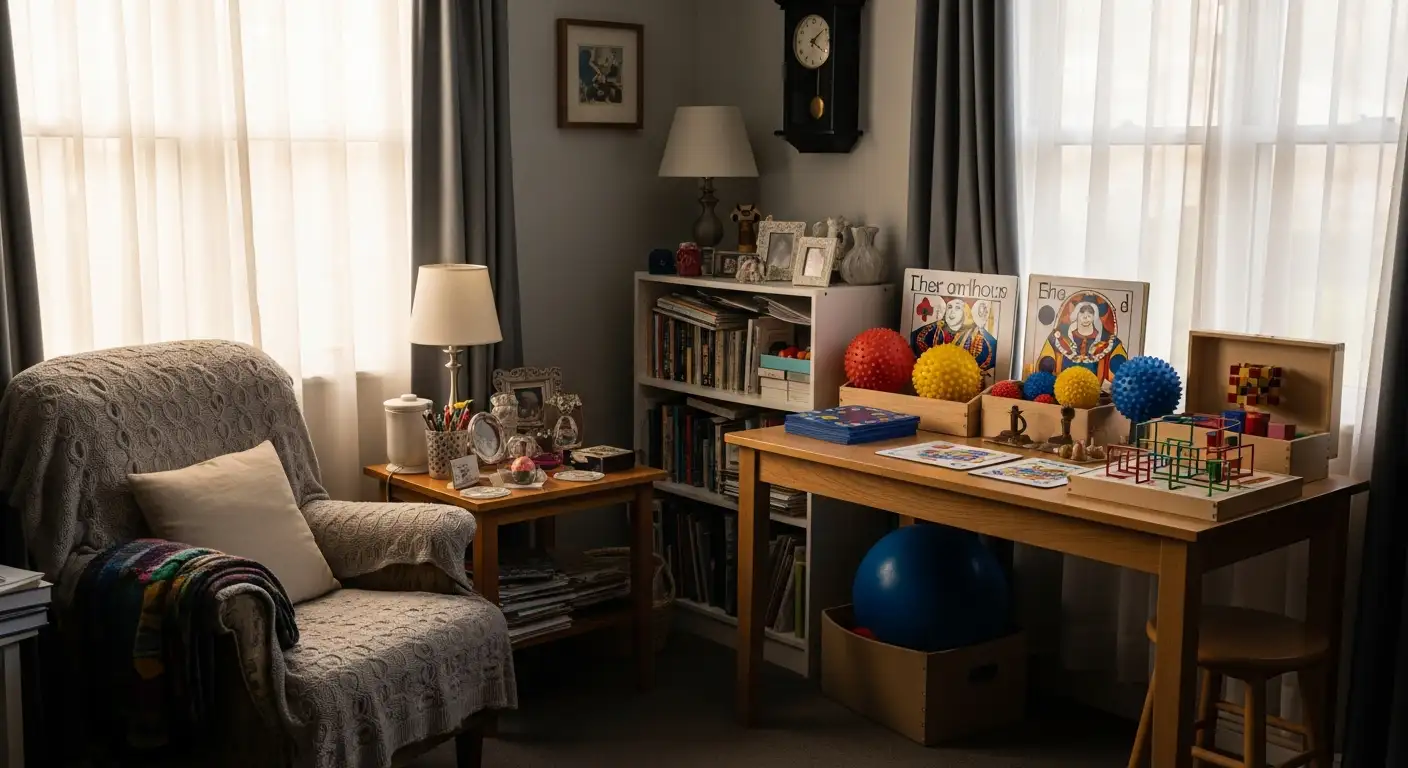
Environmental modifications: Creating dementia-friendly spaces that reduce confusion and improve safety
Prevention Strategies: Maintaining Brain Health
Research suggests that adopting brain-healthy habits may help reduce dementia risk or delay onset. The World Health Organization and Alzheimer's Association recommend:
Physical Health Strategies
Regular exercise: Aim for at least 150 minutes of moderate-intensity aerobic activity weekly
Heart-healthy diet: Mediterranean or MIND diet rich in fruits, vegetables, whole grains, lean proteins, and healthy fats
Adequate sleep: 7-8 hours of quality sleep nightly
Management of chronic conditions: Controlling diabetes, hypertension, and high cholesterol
Avoiding tobacco and limiting alcohol: Quitting smoking and keeping alcohol consumption moderate
Cognitive Health Strategies
Lifelong learning: Engaging in education and continuous learning
Mental stimulation: Puzzles, reading, learning new skills
Social engagement: Maintaining strong social connections
Stress management: Practices like mindfulness, meditation, or yoga
Protecting against head injury: Wearing seat belts, helmets, and preventing falls
A 2020 study published in the Journal of Alzheimer's Disease found that participants who followed at least four of these healthy lifestyle factors had a 60% lower risk of developing Alzheimer's disease compared to those who followed fewer.
Supporting Someone with Dementia
Communication Strategies
Effective communication can significantly improve quality of life:
Speak clearly and calmly, using simple, direct language
Maintain eye contact and use gentle touch when appropriate
Ask one question at a time and provide simple choices
Allow plenty of time for responses and avoid rushing
Focus on feelings rather than factual accuracy
Use visual cues and gestures to enhance understanding
Avoid criticizing, correcting, or arguing
Creating a Supportive Environment
Establish consistent routines to reduce confusion
Simplify the environment by reducing clutter and noise
Use clear labels and signs with both words and pictures
Ensure adequate lighting to reduce visual confusion
Install safety features like grab bars, night lights, and secured exits
Maintain familiar objects and photographs that evoke positive memories
Self-Care for Caregivers
According to the Alzheimer's Association, more than 11 million Americans provide unpaid care for people with dementia. Caregiver burnout is common, making self-care essential:
Join support groups (in-person or online)
Accept help from friends and family
Learn about respite care options
Maintain your own health with regular check-ups, proper nutrition, and exercise
Set realistic expectations and prioritize tasks
Connect with community resources and support services
Consider therapy or counseling if needed
Conclusion
Understanding the difference between normal aging and dementia empowers individuals and families to seek appropriate help when needed. While cognitive changes are a normal part of aging, significant impairment in memory, reasoning, and daily functioning warrants medical attention.As research continues to advance our understanding of dementia, new prevention strategies, diagnostic tools, and treatments offer hope for the future. By adopting brain-healthy habits, seeking early diagnosis when concerns arise, and utilizing available resources, individuals can optimize their cognitive health throughout life.Whether you're concerned about your own cognitive health or that of a loved one, remember that knowledge is power. Stay informed, be proactive about brain health, and don't hesitate to seek professional guidance when needed.