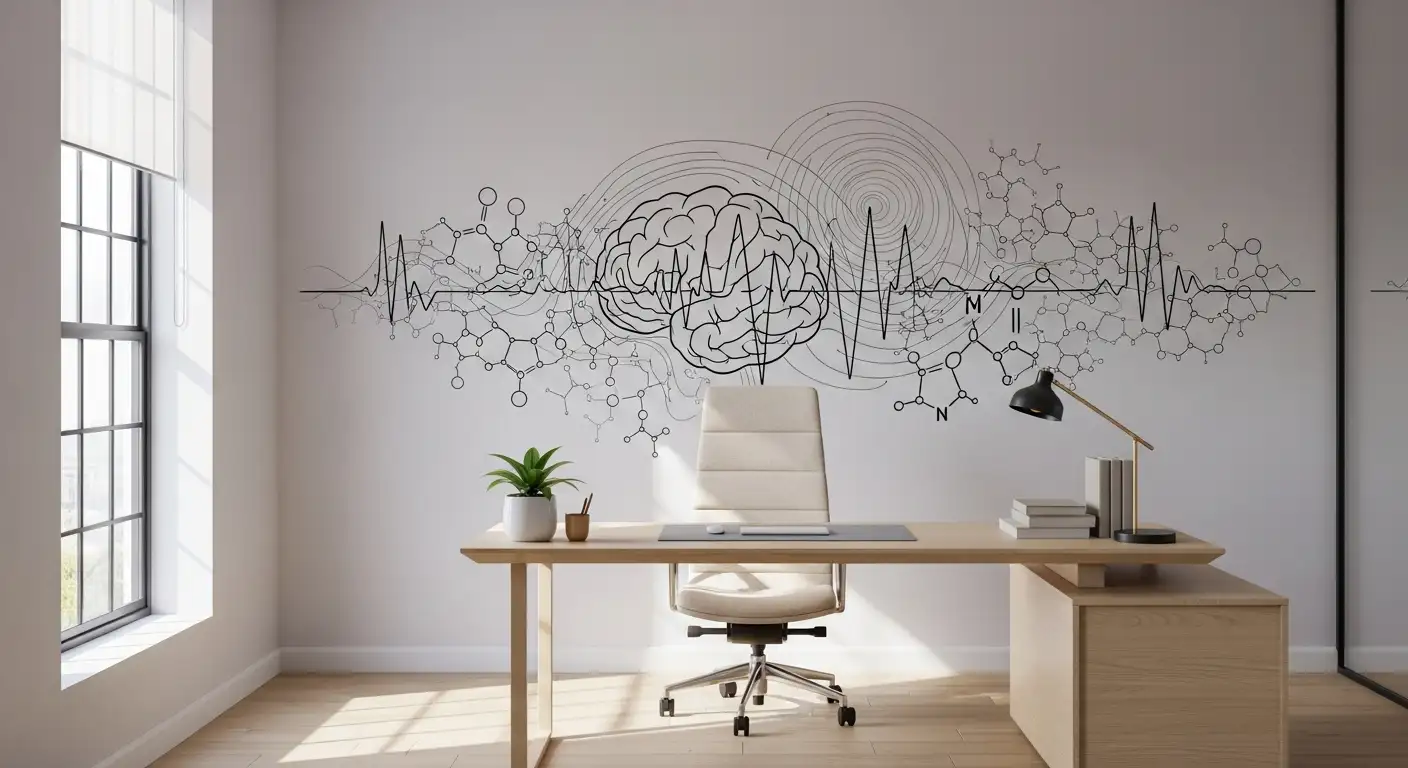
The Gut-Brain Axis: A Two-Way Communication System
The Science Behind the Connection
- Neural Pathways: The vagus nerve serves as a primary communication highway between the brain and gut, transmitting signals in both directions.
- Hormonal Signaling: Stress triggers the release of hormones like cortisol and adrenaline, which directly affect digestive function.
- Immune System Interactions: Stress influences immune responses that can alter gut function and increase inflammation.
- Gut Microbiome Influence: The trillions of bacteria in your digestive tract both respond to and influence stress responses.
How Stress Impacts Digestive Function
The Stress Response and Digestion
- Blood flow redirects away from the digestive system toward muscles and vital organs, reducing digestive efficiency
- Digestive enzyme production decreases, compromising your ability to break down food properly
- Gut motility changes, either accelerating (causing diarrhea) or slowing (causing constipation)
- Gut permeability increases, potentially allowing harmful substances to leak into the bloodstream
- Inflammation levels rise, damaging the gut lining and disrupting the microbiome
Common Stress-Related Digestive Conditions

Irritable Bowel Syndrome (IBS)
- Abdominal pain and cramping
- Altered bowel habits (diarrhea, constipation, or alternating between both)
- Bloating and gas
- Symptoms that worsen during stressful periods
Inflammatory Bowel Disease (IBD)
Peptic Ulcers
Gastroesophageal Reflux Disease (GERD)
- Increasing stomach acid production
- Slowing stomach emptying
- Heightening sensitivity to acid exposure
- Promoting unhealthy coping behaviors (overeating, consuming trigger foods)
Functional Dyspepsia
The Vicious Cycle: Stress Causes Digestive Issues Which Cause More Stress
Breaking the Cycle: Evidence-Based Strategies
Stress Management Techniques
Dietary Approaches for Stress-Related Digestive Issues
- Omega-3 rich foods (fatty fish, walnuts, flaxseeds)
- Colorful fruits and vegetables high in antioxidants
- Whole grains and fiber-rich foods
- Lean proteins
- Healthy fats (olive oil, avocados)
- Probiotics: Live beneficial bacteria found in fermented foods like yogurt, kefir, and sauerkraut
- Prebiotics: Fiber compounds that feed beneficial gut bacteria, found in garlic, onions, bananas, and asparagus
- L-glutamine: An amino acid that supports gut lining integrity
- Eat in a relaxed environment
- Chew food thoroughly
- Avoid eating while stressed or rushed
- Stay hydrated throughout the day
Medical Interventions
- Low-dose antidepressants: Particularly effective for IBS and functional dyspepsia, even in patients without clinical depression
- Gut-directed hypnotherapy: Shown to be effective for various functional GI disorders
- Anti-spasmodic medications: To relieve abdominal pain and cramping
- Proton pump inhibitors: For acid-related conditions like GERD
- Targeted probiotic therapy: Based on specific microbiome imbalances
Special Considerations: When Stress Isn't the Only Factor
Food Sensitivities and Allergies
- Gluten
- Dairy
- FODMAPs (fermentable carbohydrates)
- Artificial sweeteners
Small Intestinal Bacterial Overgrowth (SIBO)
Underlying Medical Conditions
- Celiac disease
- Inflammatory bowel disease
- Microscopic colitis
- Pancreatic insufficiency
- Gallbladder disease
The Future of Stress-Gut Health Research
Psychobiotics
Gut-Directed Mindfulness Interventions
Targeted Microbiome Interventions
Case Studies: Success Stories in Managing Stress-Related Digestive Issues
Case 1: Chronic IBS Management Through Comprehensive Approach
- Daily 15-minute mindfulness practice
- Cognitive-behavioral therapy
- FODMAP elimination and reintroduction
- Regular exercise routine
- Targeted probiotic supplementation
Case 2: Resolving Functional Dyspepsia Through Stress Management
- Gut-directed hypnotherapy sessions
- Diaphragmatic breathing exercises
- Gradual dietary modifications
- Sleep hygiene improvements
Conclusion: The Path Forward
- The gut-brain connection is bidirectional and powerful
- Stress affects multiple aspects of digestive function
- Addressing both stress management and gut health is essential
- Personalized approaches yield the best results
- Patience and consistency are crucial for long-term improvement
References
- https://www.ncbi.nlm.nih.gov/pmc/articles/PMC5736941/
- https://www.health.harvard.edu/diseases-and-conditions/the-gut-brain-connection
- https://www.gastrojournal.org/article/S0016-5085(19)41567-6/fulltext
- https://www.nature.com/articles/s41575-019-0157-3
- https://journals.physiology.org/doi/full/10.1152/ajpgi.00021.2019
Let’s Discuss a Customized Solution for Your Facility
We welcome questions about our Psychological, Psychiatric and Mental Health Services, and how they may be of benefit to your facility.
Contact UsShare this article