Menu
Close
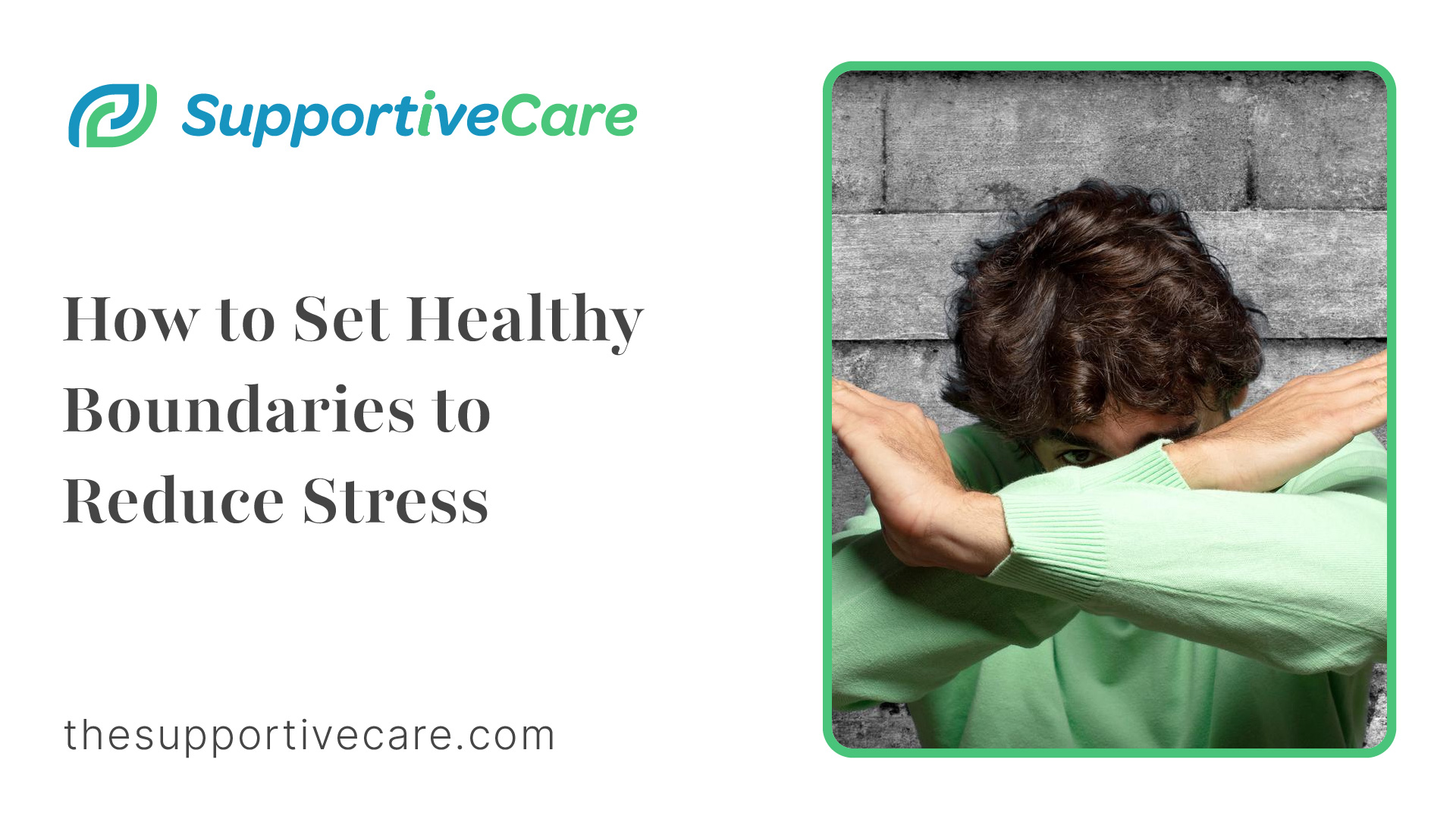
In today's hyperconnected world, the lines between work, personal life, and social obligations often blur, creating a perfect storm for chronic stress. According to the American Psychological Association, 77% of Americans regularly experience physical symptoms caused by stress, and 73% report experiencing psychological symptoms. Among the most effective yet underutilized stress management techniques is the establishment of healthy boundaries. This comprehensive guide will walk you through understanding, creating, and maintaining boundaries that protect your mental health and significantly reduce stress levels.
Boundaries are the invisible lines we draw that define where our physical, emotional, and mental space ends and another person's begins. They're not walls meant to keep others out, but rather guidelines that help us preserve our wellbeing while still maintaining meaningful connections.Research published in the Journal of Personality and Social Psychology indicates that individuals who maintain clear personal boundaries report 62% higher life satisfaction scores and 47% lower stress levels than those with poor boundary-setting habits.
Before learning how to set boundaries, it's important to recognize when they're needed. According to a 2022 survey by the Mental Health Foundation, 74% of adults have felt so stressed at some point over the past year they felt overwhelmed or unable to cope.You may need stronger boundaries if you:
The connection between boundaries and stress isn't just anecdotal—it's backed by science. When we fail to establish healthy boundaries, our bodies respond with increased cortisol production—the primary stress hormone.A longitudinal study published in Health Psychology found that consistent boundary violations correlated with elevated cortisol levels and, over time, contributed to anxiety disorders, depression, and even cardiovascular issues.Conversely, maintaining healthy boundaries has been linked to:
The first step in boundary-setting is understanding your personal limits. This requires honest self-reflection about what you can reasonably handle.Exercise: Create a "boundary inventory" by listing situations that make you feel uncomfortable, anxious, or resentful. Note physical sensations that arise when your boundaries are crossed (tension, fatigue, headaches).
According to boundary expert and psychologist Dr. Dana Nelson, "Most people fail at boundary-setting because they begin with the most difficult relationships." Instead, practice with low-stakes situations first.Example: If you're overwhelmed by after-hours work emails, start by turning off notifications after 6 PM rather than immediately confronting your boss about workload expectations.
Effective boundaries require clear communication. Psychologist Dr. Henry Cloud emphasizes that "clarity is kindness" when it comes to expressing boundaries.Framework for communicating boundaries:
Example: "I value our friendship, but I need to stop our conversation by 10 PM because I need adequate sleep to function well. If we're still talking then, I'll have to say goodnight."
When you begin setting boundaries, particularly with people accustomed to their absence, expect pushback. Research from the Journal of Applied Psychology suggests that boundary violations often increase temporarily when new limits are established.Strategies for handling resistance:
Setting boundaries can trigger guilt, especially for natural caregivers and people-pleasers. A 2020 study in Self and Identity found that self-compassion practices reduced boundary-related guilt by approximately 53%.Self-compassion practices:
According to Gallup, employees who report having clear work boundaries are 26% more likely to be engaged and 69% less likely to experience burnout.Effective workplace boundaries:
Example: "I'm available for meetings between 9 AM and 4 PM. For urgent matters outside those hours, please text rather than call."
A 2021 study by the Digital Wellness Institute found that implementing digital boundaries reduced reported stress levels by 32% and improved sleep quality by 28%.Digital boundary strategies:
Even—or especially—in close relationships, boundaries remain crucial. The Family Process Institute reports that families with clear, respectful boundaries demonstrate greater resilience during crises and higher overall satisfaction.Key family boundaries to consider:
Example: "I need 30 minutes to decompress when I get home before discussing household matters."
Many people avoid setting boundaries due to fear of disapproval or abandonment. However, research in the Journal of Counseling Psychology indicates that healthy boundary-setters actually experience more authentic and satisfying relationships.Solution: Reframe boundary-setting as an act of relationship preservation rather than rejection. Healthy boundaries prevent the resentment that ultimately damages connections.
Boundaries require consistent reinforcement. A study in Organizational Behavior found that inconsistently maintained boundaries were violated 3.4 times more frequently than those consistently enforced.Solution: Use visual reminders and accountability partners to maintain consistency. Track boundary successes and challenges in a journal to identify patterns.
Boundary norms vary significantly across cultures and families. Collectivist cultures may view certain individualistic boundaries as selfish.Solution: Honor your cultural context while finding personalized boundaries that work for you. Explain your needs in culturally relevant terms and acknowledge the importance of community while still protecting your wellbeing.
Those who commit to setting and maintaining healthy boundaries report profound long-term benefits. A seven-year longitudinal study published in the Journal of Health and Social Behavior found that participants with clear boundaries experienced:
Setting boundaries isn't a one-time event but an ongoing practice requiring regular reassessment. According to psychologist Dr. Nedra Glover Tawwab, author of "Set Boundaries, Find Peace," healthy boundaries evolve as our life circumstances change.Boundary maintenance practices:
In a world where stress has become normalized, setting healthy boundaries represents a powerful act of self-care with ripple effects throughout every aspect of life. By understanding your needs, communicating them clearly, and consistently honoring them, you create the conditions for reduced stress and enhanced wellbeing.Remember that boundary-setting is a skill that improves with practice. Each small step toward healthier limits contributes to a more peaceful, balanced life. As you implement the strategies outlined in this guide, you'll likely notice not only decreased stress levels but also more authentic relationships, improved productivity, and a stronger sense of self.The journey toward healthy boundaries may not always be easy, but the research is clear: few stress-reduction techniques offer more profound or lasting benefits.