How to Support a Loved One Experiencing Depression
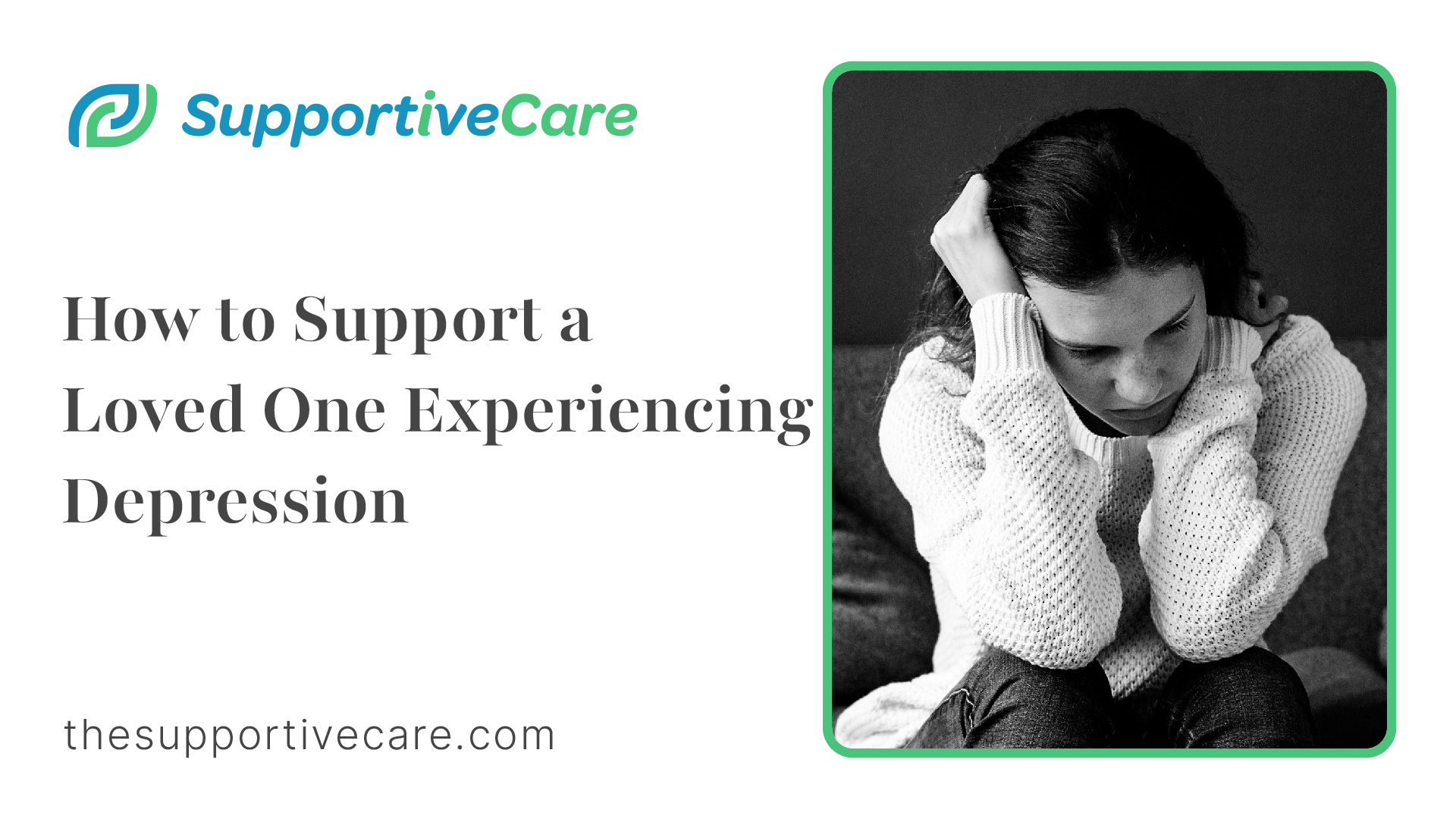
Supporting a loved one with depression involves active listening, encouraging professional help, assisting with daily tasks, and fostering a routine. It’s crucial to recognize the signs of depression and be patient, as recovery is a gradual process.
Depression affects millions of people worldwide, with approximately 280 million people suffering from the condition globally according to the World Health Organization. In the United States alone, major depressive disorder affects about 8.4% of adults annually. Behind these statistics are real people - our partners, family members, friends, and colleagues - who are struggling with a condition that can be debilitating and isolating.When someone you care about is experiencing depression, it can be challenging to know how to help. You may feel helpless, frustrated, or worried about saying the wrong thing. This comprehensive guide aims to provide practical strategies for supporting a loved one with depression while also taking care of your own mental well-being.
Understanding Depression: Beyond Feeling Sad
Depression is far more than just feeling sad or going through a rough patch. It's a serious mental health condition that affects how a person thinks, feels, and functions in daily life. Clinical depression, or major depressive disorder, is characterized by persistent feelings of sadness, hopelessness, and a loss of interest in activities once enjoyed.
Common Symptoms of Depression
To effectively support someone with depression, it's important to recognize its symptoms, which may include:
Persistent sad, anxious, or "empty" mood
Feelings of hopelessness or pessimism
Irritability or restlessness
Loss of interest in hobbies and activities
Decreased energy or fatigue
Difficulty concentrating, remembering, or making decisions
Insomnia, early-morning awakening, or oversleeping
Appetite and/or weight changes
Thoughts of death or suicide
Physical aches or pains without a clear physical cause
It's worth noting that depression can manifest differently in different people. Some individuals may experience most of these symptoms, while others might only have a few. The severity can also vary significantly from person to person.
Recognizing When Your Loved One Needs Support
Research shows that early intervention can significantly improve outcomes for people with depression. According to a study published in the Journal of Psychiatric Research, individuals who receive treatment within the first six months of developing depression symptoms have better recovery rates than those whose treatment is delayed.Signs that your loved one might be experiencing depression include:
Withdrawing from social activities and relationships
Increased irritability or sensitivity
Changes in sleep patterns or appetite
Expressing feelings of worthlessness or excessive guilt
Decreased productivity at work or school
Neglecting personal hygiene or appearance
Increased use of alcohol or other substances
Effective Ways to Support Someone with Depression
1. Educate Yourself About Depression
Understanding the facts about depression is crucial for providing effective support. Take time to learn about:
The biological basis of depression
Common treatments and their effectiveness
The recovery process and potential setbacks
Myths and misconceptions about mental health
Resources like the National Institute of Mental Health (NIMH) and the American Psychiatric Association provide reliable, evidence-based information about depression.
2. Start the Conversation
One of the most important things you can do is to open up a dialogue about what your loved one is experiencing. Here's how to approach this conversation:
Choose a private, comfortable setting
Use "I" statements: "I've noticed you seem down lately, and I'm concerned about you"
Ask open-ended questions: "How have you been feeling recently?"
Listen actively without judgment
Avoid minimizing their feelings or offering quick fixes
A survey by the Anxiety and Depression Association of America found that 86% of people with depression felt that having someone to talk to who listens without judgment was helpful in their recovery process.
3. Practice Compassionate Listening
When someone shares their experience with depression, how you respond matters tremendously:
Give them your full attention
Validate their feelings: "That sounds really difficult"
Avoid comparisons or statements like "I know how you feel"
Don't rush to offer solutions unless they specifically ask for advice
Be comfortable with silence and pauses in the conversation
Thank them for trusting you with their feelings
4. Offer Specific, Practical Help
Depression can make even simple tasks feel overwhelming. Instead of saying "Let me know if you need anything," offer specific assistance:
"I'm going to the grocery store - can I pick up some items for you?"
"Would it help if I drove you to your therapy appointment?"
"I can come over Tuesday evening and help with laundry or meal prep"
"Would you like me to research therapists in our area who specialize in depression?"
A study published in the Journal of Affective Disorders found that practical social support significantly reduced depressive symptoms over time, highlighting the importance of tangible assistance.
5. Encourage Professional Treatment
While your support is invaluable, it's important to encourage your loved one to seek professional help:
Offer to help them find a mental health provider
Provide information about therapy options (individual therapy, group therapy, online resources)
Discuss the role of medication if appropriate
Remind them that seeking help is a sign of strength, not weakness
If they're reluctant, share success stories or statistics about treatment effectiveness
Studies show that approximately 80-90% of people with depression eventually respond well to treatment, particularly when combining psychotherapy and medication when appropriate.
6. Support Their Treatment Plan
Once your loved one begins treatment, you can help them stay committed to their recovery:
Offer gentle reminders about appointments or medication
Ask how their therapy is going (but respect their privacy if they don't want to share details)
Celebrate small improvements and progress
Be patient during setbacks
Learn about their specific treatment approach so you can better understand their experience
7. Create a Supportive Environment
Small environmental changes can make a big difference for someone with depression:
Help maintain a regular routine
Encourage physical activity by suggesting walks together
Assist with maintaining a healthy diet
Support regular sleep habits
Reduce stressors in the home environment when possible
Plan low-pressure social activities that they might enjoy
Research has consistently shown that exercise can be as effective as medication for mild to moderate depression in some individuals, with a meta-analysis in the Journal of Psychiatric Research finding that regular physical activity reduced depression symptoms by approximately 45%.
8. Be Patient and Persistent
Recovery from depression is rarely linear. There will likely be good days and bad days:
Don't take it personally if they decline invitations or seem distant
Continue to include them in plans, even if they often say no
Understand that their lack of enthusiasm doesn't mean a lack of appreciation
Recognize that recovery takes time - often months or longer
A longitudinal study published in Psychological Medicine found that the average duration of a major depressive episode is about 6-8 months, though this varies widely between individuals.
9. Watch for Warning Signs of Suicide
Depression is a major risk factor for suicide. Take any mentions of suicide or self-harm seriously:
Don't leave the person alone if you believe they're in immediate danger
Remove potential means of self-harm if possible
Call the 988 Suicide and Crisis Lifeline (in the US) or local emergency services
Express your concern directly: "I'm worried about you and want to make sure you're safe"
Warning signs that require immediate attention include:
Talking about wanting to die or kill oneself
Looking for ways to kill oneself
Talking about feeling hopeless or having no reason to live
Talking about being a burden to others
Increasing use of alcohol or drugs
Acting anxious or agitated; behaving recklessly
Sleeping too little or too much
Withdrawing or feeling isolated
Showing rage or talking about seeking revenge
Displaying extreme mood swings
10. Take Care of Your Own Mental Health
Supporting someone with depression can be emotionally taxing. Maintaining your own well-being is crucial:
Set healthy boundaries
Don't take responsibility for "fixing" their depression
Join a support group for friends and family of people with depression
Consider speaking with a therapist yourself
Practice self-care routines
Maintain your own social connections and activities
A study in the Journal of Consulting and Clinical Psychology found that caregivers who practiced good self-care were able to provide more effective support to their loved ones with depression.
Phrases That Help vs. Phrases That Hurt
Helpful Things to Say:
"I'm here for you, no matter what"
"You're not alone in this"
"You are important to me"
"This isn't your fault"
"I may not understand exactly how you feel, but I care about you and want to help"
"You won't feel this way forever"
"Is there something specific I can do to help right now?"
Unhelpful Things to Avoid:
"Just cheer up" or "Snap out of it"
"Everyone feels sad sometimes"
"You have so much to be grateful for"
"It's all in your head"
"You just need to try harder"
"Others have it worse than you"
"You're bringing everyone down"
Supporting Different Types of Relationships
Supporting a Spouse or Partner
When depression affects your partner, it can strain the relationship in unique ways:
Maintain intimacy through non-sexual physical contact if sexual intimacy has declined
Attend couples therapy if relationship issues are developing
Redistribute household responsibilities as needed during difficult periods
Communicate openly about how depression is affecting both of you
Remember that depression is a condition your partner has, not who they are
Supporting a Parent
When a parent has depression, roles can sometimes feel reversed:
Encourage them to maintain their independence where possible
Help coordinate care with other family members
Connect them with age-appropriate depression resources
Be mindful of other health conditions that may complicate depression
Check in regularly, even if just by phone
Supporting a Child or Teen
Depression in younger people may look different than in adults:
Watch for irritability or acting out, which can be signs of depression in youth
Maintain open communication without pressure to talk
Work closely with healthcare providers, therapists, and school counselors
Create structure and routine
Limit social media if it seems to worsen their mood
Make sure they know your love is unconditional
Supporting a Friend
Friendships provide vital support during depression:
Maintain regular contact, even with brief text messages
Continue inviting them to activities, even if they often decline
Offer to accompany them to appointments or new social situations
Share enjoyable memories of better times
Balance supporting them with maintaining normal friendship activities
The Role of Online Support Communities
In today's digital world, online support can be invaluable:
Help your loved one find reputable online support groups
Suggest mental health apps that have evidence-based approaches
Share appropriate resources from trusted organizations
Be cautious about forums that might promote negative thinking or unsafe practices
According to a study published in JMIR Mental Health, participants in online depression support communities reported decreased feelings of isolation and increased feelings of being understood.
Long-Term Support Strategies
Supporting someone with depression is often a marathon, not a sprint:
Help them identify triggers that worsen their depression
Work together to develop a relapse prevention plan
Celebrate milestones in their recovery journey
Learn the early warning signs of their depression returning
Support lifestyle changes that promote mental well-being
When to Seek Outside Help
Sometimes, despite your best efforts, additional help is needed:
If they express suicidal thoughts or intentions
If their depression severely impacts their ability to function
If they're engaging in harmful behaviors like substance abuse
If you're feeling overwhelmed by the responsibility of supporting them
If there has been no improvement despite treatment
Conclusion
Supporting a loved one with depression requires patience, understanding, and self-care. Remember that your presence and consistent support can make a profound difference, even when it doesn't seem like it in the moment. By educating yourself, communicating effectively, encouraging professional help, and maintaining your own well-being, you can be an invaluable ally in your loved one's journey toward recovery.Depression is treatable, and with the right support, most people do get better. Your compassionate presence on that journey is a powerful medicine in itself.