Menu
Close
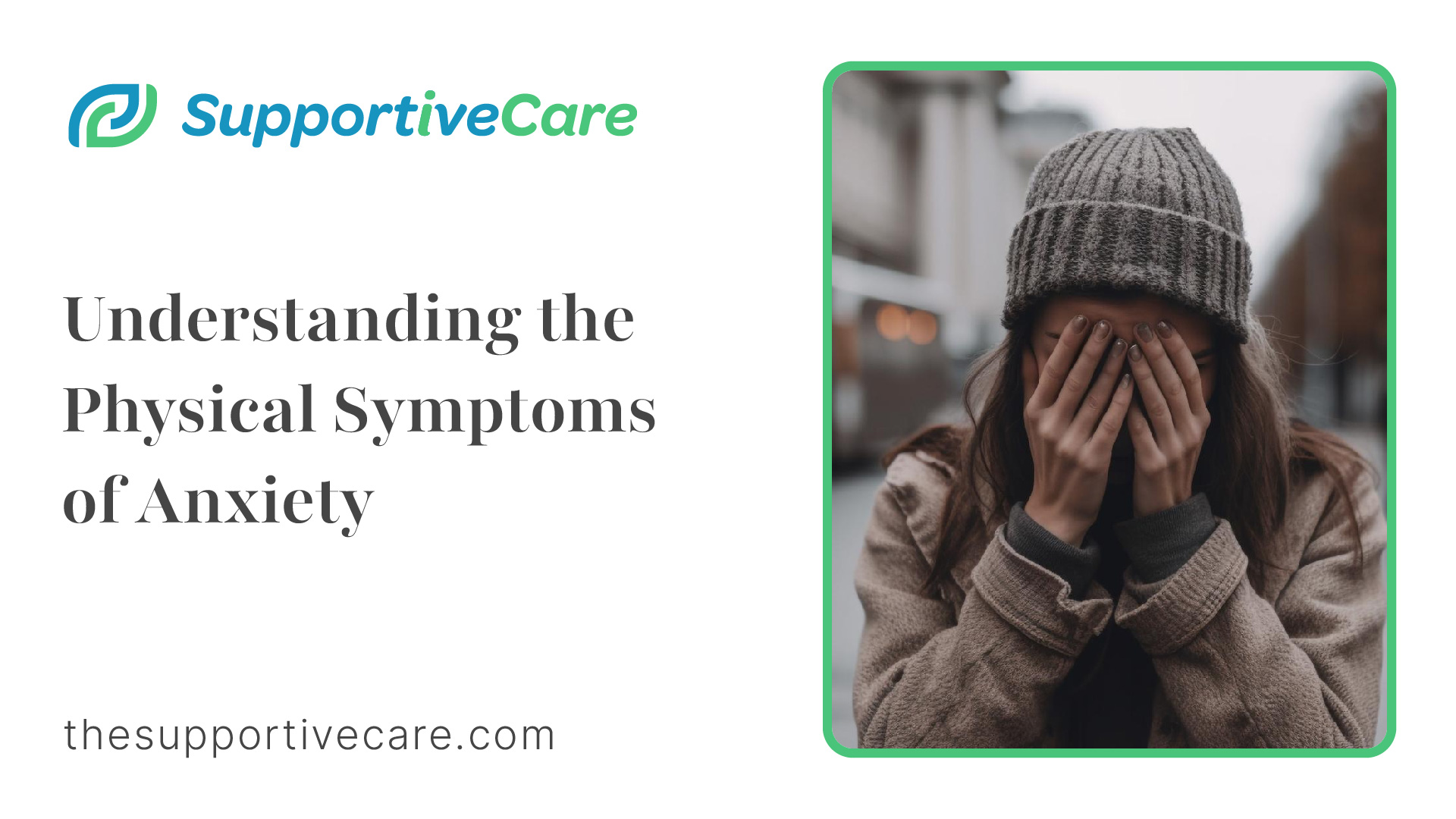
Anxiety disorders affect approximately 40 million adults in the United States alone, making them the most common mental health conditions in the country. While many recognize the psychological impact of anxiety, the physical manifestations often go unacknowledged or misunderstood. This comprehensive guide explores the connection between mind and body, detailing how anxiety manifests physically and offering evidence-based strategies for management.
Anxiety is not merely a psychological state—it's a whole-body experience. When you feel anxious, your body activates its fight-or-flight response, an evolutionary mechanism designed to protect you from danger. This biological response triggers a cascade of physical reactions that prepare your body to either confront or escape a perceived threat.According to the American Psychological Association, this stress response begins in the amygdala, the brain's fear center, which sends distress signals to the hypothalamus. The hypothalamus then activates the sympathetic nervous system, initiating the release of stress hormones like adrenaline and cortisol throughout the body.
Recent research published in the Journal of Clinical Psychology indicates that 87% of individuals with Generalized Anxiety Disorder (GAD) report significant physical symptoms. These physiological reactions occur because anxiety triggers:
Increased Heart Rate and PalpitationsOne of the most commonly reported physical symptoms of anxiety is a racing heartbeat. During periods of heightened anxiety, your heart may beat 20-30% faster than its resting rate. This occurs because adrenaline signals your heart to pump more blood to your muscles and vital organs.Chest Pain and TightnessApproximately 40% of anxiety sufferers report experiencing chest pain or tightness. While these sensations can mimic heart attack symptoms, they typically result from muscle tension and changes in breathing patterns. However, it's always best to seek medical evaluation for chest pain to rule out cardiovascular issues.
Shortness of BreathAnxiety frequently causes breathing to become shallow and rapid. A 2019 study in the Journal of Anxiety Disorders found that 60% of panic attack sufferers identified shortness of breath as their most distressing symptom. This hyperventilation reduces carbon dioxide levels in the blood, leading to further symptoms like dizziness and tingling sensations.Feeling of Choking or SmotheringThe sensation of a lump in the throat (globus pharyngis) affects nearly 45% of individuals with anxiety disorders. This feeling stems from tension in the throat muscles and is rarely dangerous, though it can be extremely uncomfortable.
Stomach Distress and NauseaThe gut-brain connection plays a crucial role in anxiety's physical manifestations. The digestive system contains millions of neurons that communicate directly with the brain, explaining why emotional stress often triggers gastrointestinal symptoms.Statistics indicate that individuals with anxiety disorders are five times more likely to develop irritable bowel syndrome (IBS) than the general population. Common digestive symptoms include:
Appetite ChangesApproximately 65% of people with chronic anxiety report significant changes in appetite. While some experience diminished hunger, others may engage in stress eating, consuming more calories than usual to temporarily soothe emotional distress.
Muscle Tension and PainChronic muscle tension represents one of anxiety's most pervasive physical symptoms, with studies indicating that up to 75% of individuals with anxiety disorders experience persistent muscle tension. Common areas affected include:
This prolonged tension can contribute to headaches, posture problems, and chronic pain conditions.Trembling and ShakingFine motor tremors affect approximately 35% of individuals during anxiety episodes. These involuntary movements reflect the body's heightened state of alertness and the surge of adrenaline in the bloodstream.
Dizziness and LightheadednessChanges in blood pressure and breathing patterns during anxiety can lead to feelings of imbalance. Research suggests that up to 30% of individuals diagnosed with vestibular disorders (conditions affecting balance) actually have symptoms primarily caused by anxiety.HeadachesTension headaches represent a common physical manifestation of anxiety, with studies indicating that individuals with anxiety disorders are 2.5 times more likely to experience recurring headaches than those without anxiety. These headaches typically present as a band-like pressure around the forehead and temples.
Insomnia and Sleep ProblemsThe relationship between anxiety and sleep is bidirectional—anxiety disrupts sleep, and sleep deprivation worsens anxiety. According to the National Sleep Foundation, 70% of adults with anxiety disorders report difficulty falling or staying asleep. This creates a challenging cycle where physical symptoms intensify due to insufficient rest.
Anxiety can manifest through various skin reactions, including:
Research published in the Journal of Clinical Dermatology found that 30% of dermatology patients have underlying anxiety contributing to their skin conditions.
Chronic anxiety may compromise immune function through prolonged elevation of stress hormones. Studies indicate that individuals with anxiety disorders experience:
While most physical symptoms of anxiety aren't dangerous, certain manifestations warrant prompt medical evaluation:
A comprehensive study by the Cleveland Clinic found that approximately 25% of all emergency room visits for chest pain are ultimately attributed to anxiety rather than cardiac issues. However, it's always better to err on the side of caution when experiencing concerning physical symptoms.
Physical symptoms of anxiety can mimic several serious medical conditions, including:
Proper medical evaluation often includes:
According to research in the American Journal of Medicine, approximately 20% of patients initially presenting with anxiety symptoms are found to have underlying medical conditions contributing to their symptoms.
Controlled breathing exercises effectively counteract the shallow breathing patterns associated with anxiety. The 4-7-8 technique (inhale for 4 seconds, hold for 7, exhale for 8) has been shown to reduce heart rate by an average of 15% within minutes.
This systematic relaxation technique involves tensing and then releasing different muscle groups. Research in the Journal of Behavioral Medicine demonstrated that regular practice of progressive muscle relaxation reduced muscle tension by 35% and improved sleep quality in anxiety patients.
Exercise serves as a powerful anxiety management tool by:
A landmark study in the Journal of Psychiatric Research found that participants who engaged in regular aerobic exercise (30 minutes, 3-5 times weekly) experienced a 30% reduction in anxiety symptoms compared to sedentary controls.
Mindfulness-based interventions help individuals recognize physical anxiety symptoms without judgment and reduce reactivity to these sensations. A meta-analysis of 39 studies found that mindfulness practices yielded an average 40% reduction in anxiety symptoms, with improvements maintained at 6-month follow-up.
CBT specifically targeting physical symptoms helps individuals:
Research indicates that 75% of individuals receiving CBT for anxiety experience significant improvement in physical symptoms.
When appropriate, medication may help manage physical symptoms of anxiety:
According to the American Psychiatric Association, approximately 60% of individuals with anxiety disorders experience substantial symptom reduction with appropriate medication.
Emerging research suggests strong connections between diet and anxiety levels:
A study in the Journal of Nutritional Science found that participants who reduced caffeine consumption experienced a 25% decrease in anxiety-related physical symptoms within two weeks.
Improving sleep quality can significantly reduce physical symptoms of anxiety:
Research indicates that improving sleep quality yields an average 30% reduction in daytime anxiety symptoms.
Incorporating regular stress-reduction practices helps prevent anxiety from manifesting physically:
If physical symptoms of anxiety significantly impact your daily functioning, professional help may be necessary. Consider consulting a healthcare provider if:
Early intervention typically leads to better outcomes, with studies showing that individuals who receive appropriate treatment within one year of symptom onset have higher recovery rates.
Physical symptoms represent a central component of the anxiety experience, affecting 90% of those with anxiety disorders. Understanding the connection between psychological distress and bodily sensations empowers individuals to recognize anxiety's physical manifestations and seek appropriate support.By implementing evidence-based strategies—from breathing techniques and exercise to professional treatment when needed—individuals can effectively manage the physical symptoms of anxiety and improve overall quality of life.Remember that anxiety's physical symptoms, while distressing, are not dangerous in themselves. With proper support and consistent practice of management techniques, most people experience significant improvement in both psychological and physical aspects of anxiety.